
The Stereotype That Paris Outgrew
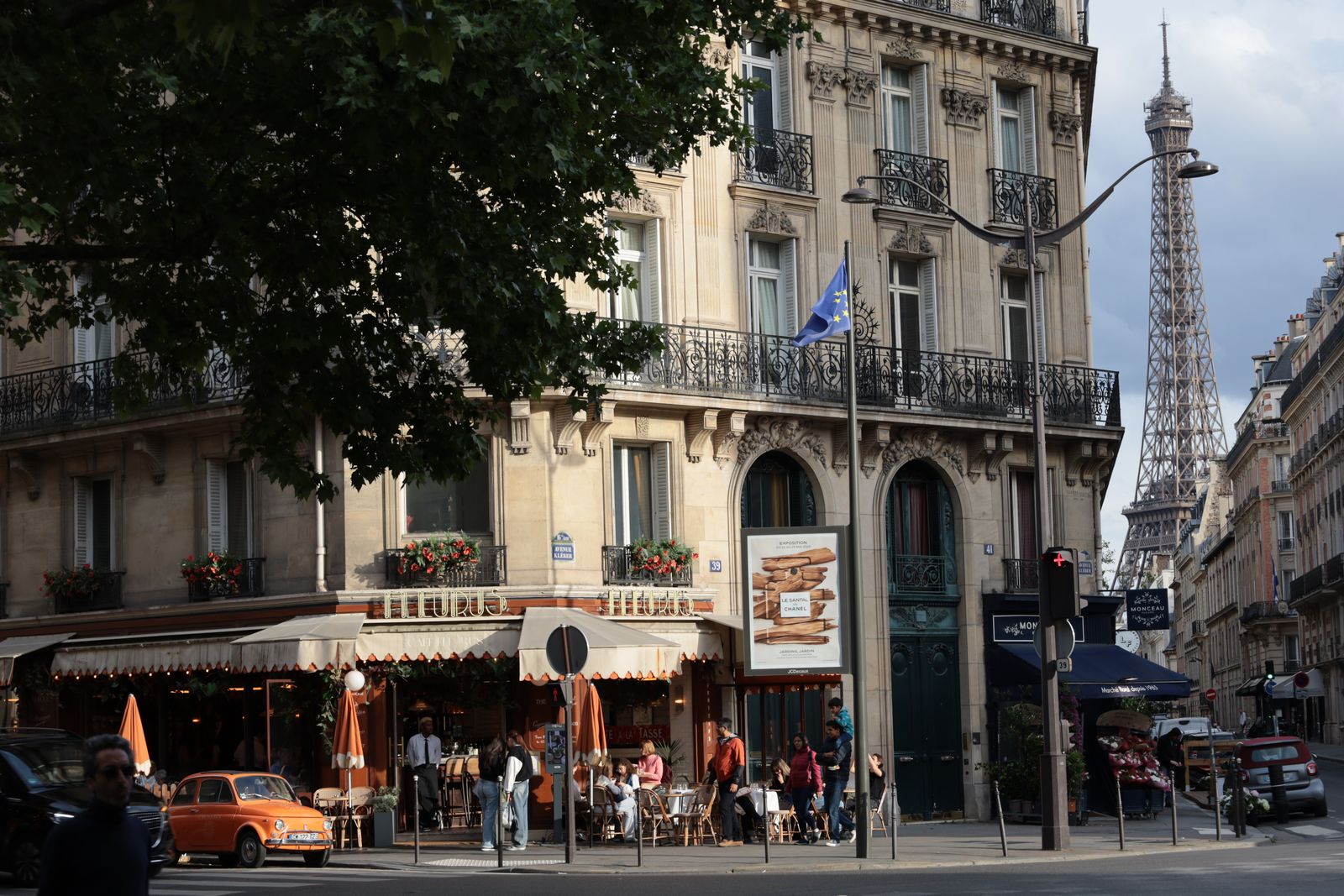
There is a piece of travel advice about France that gets repeated so often it has started to feel like a rule: the French are rude, and if you do not begin every interaction with a proper “bonjour,” you are asking for trouble.
Our experience
We do not think that advice matches the Paris we experienced.
Saying bonjour is still a good idea. It is polite, simple, and respectful when you are visiting someone else’s country. But the idea that it works like a password — say it correctly and everyone becomes warm, skip it and you deserve a cold response — feels outdated.
The Paris we encountered was different. Younger people working in restaurants, cafés, shops, and museums were usually comfortable switching into English the moment they heard our accents. Not reluctantly, and not with the kind of attitude the old stereotype warns about.
Most interactions were easy, practical, and friendly.
What Americans sometimes interpret as “rudeness” can simply be a different style of service. Parisian hospitality is not always performed the way American hospitality is. There may be less small talk, less exaggerated friendliness, and less of the scripted “how are you today?” Once we stopped expecting that script, the interactions felt efficient, respectful, and often quietly warm — with patience, competence, and, more often than expected, a dry sense of humor once the conversation got going.

Must-sees and must-dos
- Say bonjour when it feels natural — it is still a simple and respectful way to begin an interaction.
- Use the French you know — even a few words show that you are making an effort.
- Do not panic if your French is limited — many people working in central Paris are comfortable communicating in English.
- Pay attention to tone, not just words — eye contact, a smile, and basic courtesy travel across languages.
- Do not expect American-style service — quieter or more direct service does not automatically mean someone is being rude.
- Give people the chance to meet you halfway — most of our interactions became easy once we approached them without tension or expectation.
Our pro tip
Do not arrive in Paris braced for battle.
If you walk into every café expecting to be judged, corrected, or ignored, you may end up reading perfectly normal interactions more negatively than they deserve.
Be polite. Be patient. Use whatever French you know, and let the conversation move into English if that is easier for everyone.
Politeness is not a secret script. It is a tone. A relaxed “bonjour,” a smile, a nod, or a sincere acknowledgment of the person in front of you matters far more than worrying about whether you have performed the interaction perfectly.
Paris has changed. And some of the old travel advice about it has not caught up.
For current visitor information, neighborhoods, and museum hours, start with official Paris je t’aime rather than arriving armed with someone else’s stereotype.