
What Sunday in Milan Taught Us About Trains
There is a certain confidence you develop after a few successful train journeys through Europe.
Our experience
The system works. Platforms are labeled. Seats can be reserved. Trains connect cities efficiently, and eventually you begin trusting that everything will unfold more or less the way it appears on the schedule.
And then you have a day when it doesn't.
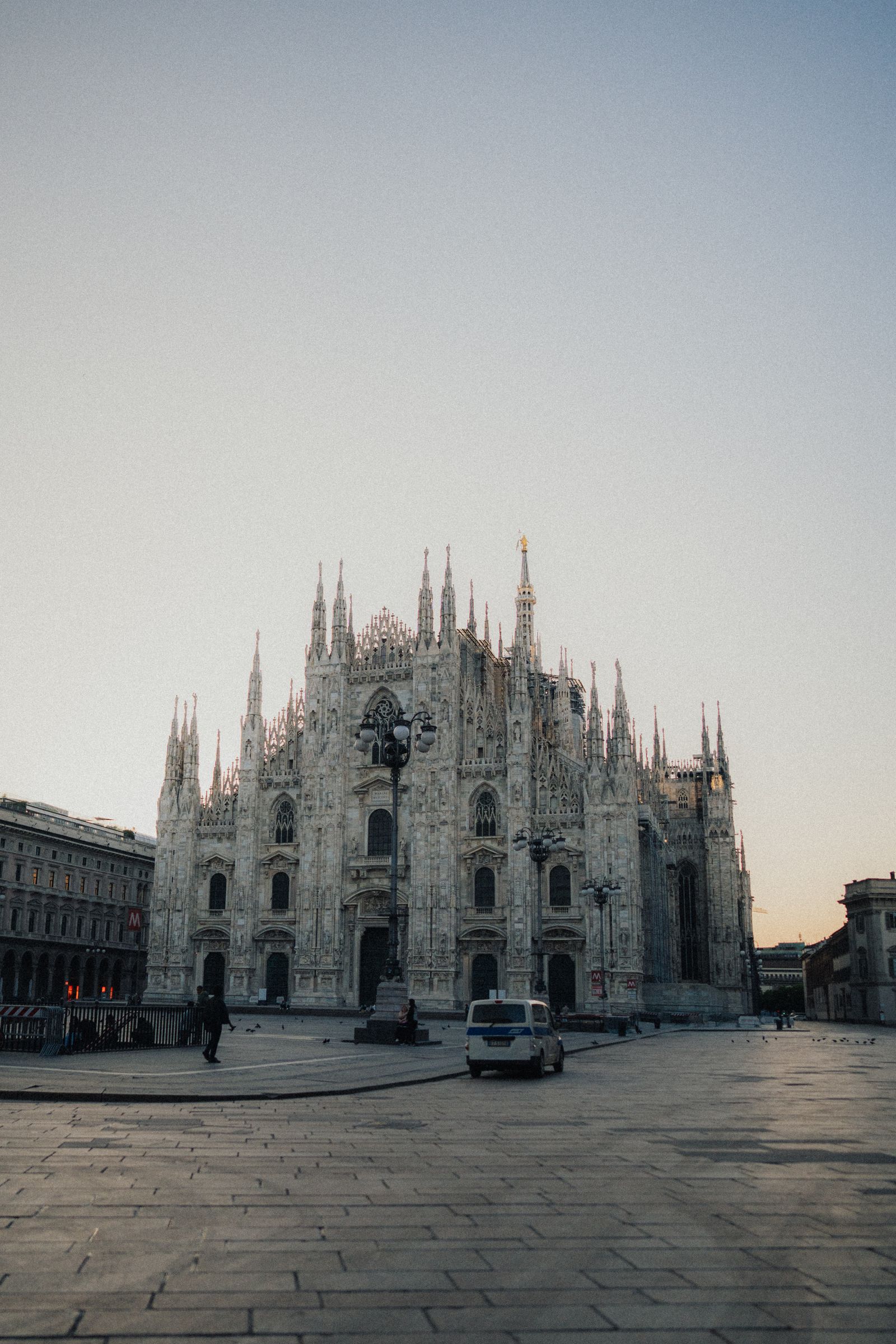
Ours was a Sunday traveling from Milan toward Lucerne.
We missed a train — not by much, but enough to set off the kind of chain reaction that can turn a straightforward travel day into an exhausting one.
The next trains were crowded. At one point, we found ourselves on a jam-packed train where standing passengers, luggage, elbows, and apologies all competed for the same limited space.
Five or six hours and four different train stops later, we eventually arrived in Lucerne. We made it. But it didn't need to be quite that hard.
A European train timetable may look essentially the same throughout the week, but the experience onboard can change dramatically depending on the day, time, route, season, and local events. Friday afternoons and Sunday afternoons or evenings can be especially busy as people leave for or return from weekends away. Monday mornings can bring commuter traffic, while holidays, school breaks, festivals, and major events can add another layer of demand. By contrast, midweek travel can feel completely different. Tuesday through Thursday, particularly outside peak commuting hours, can offer a calmer experience with less pressure on stations and trains. The lesson for us was simple: when planning a European rail trip, the question isn't only which train? It's also which day and what time?
Must-dos for a rail day
- Travel midweek when possible — Tuesday, Wednesday, and Thursday can be easier choices for longer rail journeys.
- Watch Friday and Sunday traffic — weekend departures and returns can make popular routes much busier.
- Reserve a seat when available — on a crowded long-distance journey, a reservation can make a major difference.
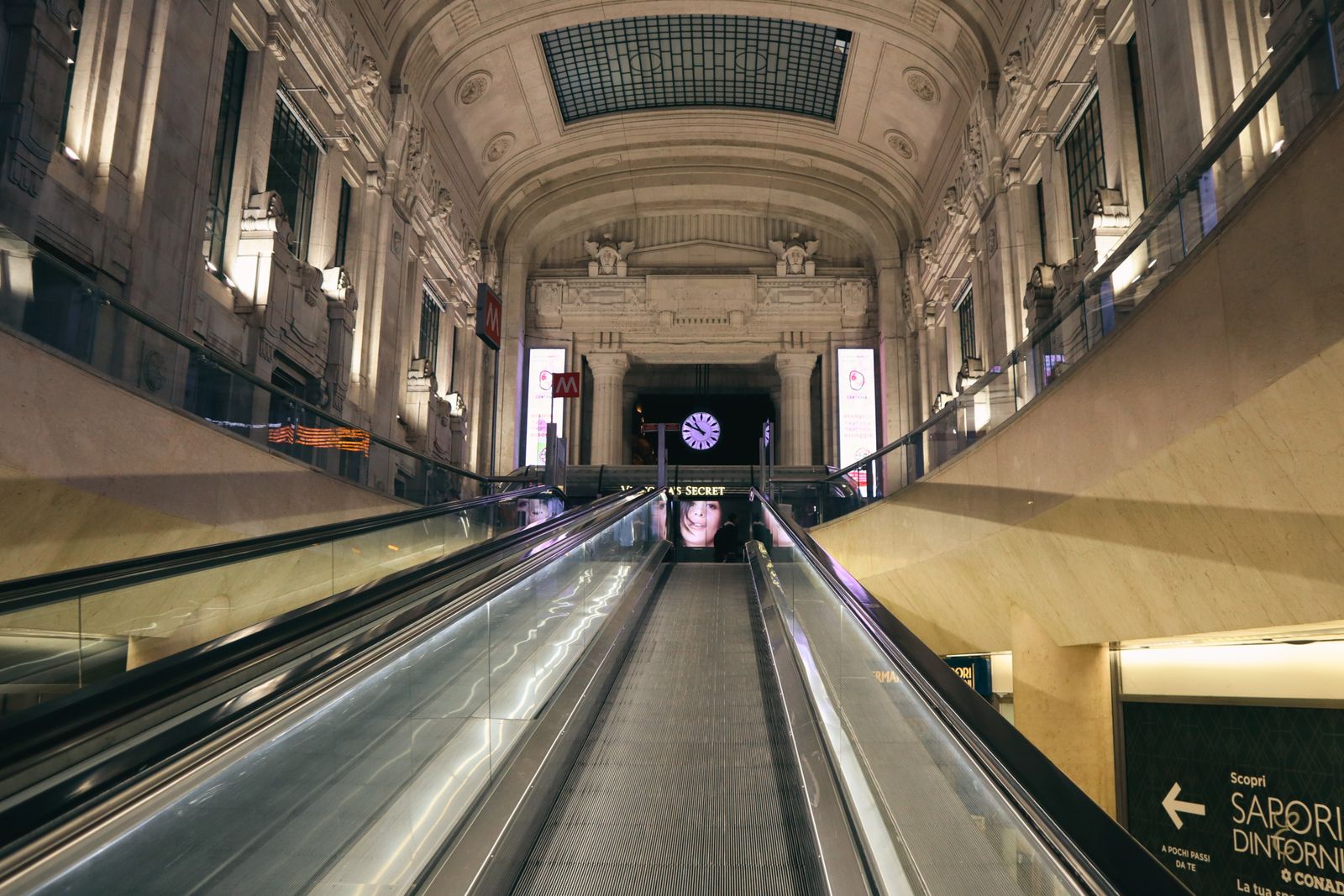
- Build extra time into major stations — large hubs like Milano Centrale can take longer to navigate than the timetable suggests.
- Check the next train before leaving — know your backup departure in case you miss a connection or encounter a delay.
- Understand your ticket rules — know whether your ticket is tied to a specific train or gives you flexibility to take another departure.
Our pro tip
When traveling by train in Europe, don't plan around departure times alone.
Think about the day of the week, how busy the station may be, whether your seat is reserved, how much connection time you have, and what you'll do if you miss the train.
For large stations, give yourself more buffer than feels necessary. And before going to bed the night before a complicated travel day, take ten minutes to check the train after yours. Knowing the backup option removes much of the panic if something goes wrong.
Most importantly, accept that some travel days will simply be harder than others. Europe by rail is still one of our favorite ways to move between countries. But it isn't magic. Trains get crowded, connections get missed, and schedules occasionally unravel.
Ours was a Sunday out of Milan. The goal isn't to eliminate every difficult travel day. It's to make fewer of them happen by accident.